
How can I support your website right now?

What to expect when hiring a website designer
Rather not read? Watch the video instead!
Getting a new business website can feel like a yoyo of emotions...first it's exciting, then overwhelming, then back again.
You know your current site isn’t cutting it anymore, but the idea of hiring a website designer brings up a lot of questions. Like, what actually happens when you hire a designer? How involved will you need to be? And how do you know if you’re even ready to hire someone yet?
If you’re a beauty or wellness business owner who’s never worked with a website designer, or had a less-than-great experience in the past, this blog post is for you.
This isn't about choosing which designer to hire. It’s about understanding what working with a website designer actually looks like, so you can approach the process with confidence.
Why Design-Style Matters (But It's Not Everything)
Let’s keep it real, in our visually-driven world, aesthetics matter.
I'd be lying if I said that most of my clients didn't initially want to work with me because they liked my design portfolio and were impressed by my past client work. They want a website that looks elevated, on-brand, and intentional.
Your website is often the first impression someone has of your brand, and for beauty and wellness businesses especially, visual trust is everything. In fact, if you ask me, it's non-negotiable.
That said, a designer's portfolio often shows off how a website looks, not necessarily why it works.
Choosing a designer who can execute your aesthetic goals should be your first filter, but don't make the mistake of stopping there. The strongest projects happen when great design is paired with strategy, structure, and conversion based decision-making behind the scenes.
Think of aesthetics as the invitation. Strategy is what gets people to stay, engage, and book.
What Happens on a Website Consultation Call
Once you reach out to a designer, the next step is usually a consultation or discovery call. These calls are typically 15–30 minutes and serve a very specific purpose.
They’re not sales pitches. They’re more of a vibe check.
I hate to compare consult calls to interviews because they shouldn’t be stuffy or boring, but they do serve the same purpose. At the end of the call, both parties should be able to mutually decide if they will be a good fit to work together or not.
During the call, you can expect:
- Questions about your business, services, and goals
- A high-level discussion about what’s working and what isn’t
- Clarity around your project scope, timeline, and next steps
This is also your chance to get a feel for the designer's personality and how they communicate. You’ll be working closely together, so comfort and clarity matter just as much as their expertise.
The designer may also briefly talk over website platforms with you, especially when deciding between tools like Webflow, Showit, or Squarespace.
If you’re wondering what to ask during these calls, I break that down in detail in my post on questions to ask before hiring a website designer. (Think of this post as the starting point that makes the questions in that post easier to understand and use.)
Finding the Right Designer For the Job
After your consultation, you should have a good read on your designer and their personality.
Website projects require a lot of back-and-forth communication. Files get shared. Feedback is exchanged. And lots of decisions are made together. That’s why personality fit matters.
It's important to consider: What type of personalities do you love working with? What type of personalities do you avoid at all costs? Only you know the answer to these questions.
You don’t need to be best friends with your designer, but you should feel:
- Comfortable asking questions
- Confident sharing feedback
- Clear on how communication works
Different pieces of the project will get passed back and forth from the designer to the client and vise-versa from the beginning of the project until the end. A great working relationship reduces stress and leads to better project results. While on the other hand, a misaligned relationship can make even launching a beautiful website feel like a chore.
What Working With a Website Designer Is Actually Like
Hiring a website designer isn’t a “hand it over and disappear” situation. Which might sound obvious, but I think you'd be surprised at just how often it happens. So, just think of it as a collaboration.
Your designer brings strategy, structure, and creative problem-solving. They’re responsible for guiding the process, making recommendations, and building a site that supports your goals. You bring deep knowledge of your business, your audience, and timely feedback along the way.
That usually looks like:
- Sharing insight about your services and goals
- Reviewing designs and messaging as they evolve
- Making decisions so the project can keep moving
You don’t need to have everything figured out from day one. A good designer will help you get clarity as you go. But your input matters, and the smoother the communication, the better the final result.
When expectations are clear on both sides, the process feels collaborative instead of stressful, and the website ends up doing what it’s actually supposed to do: increasing brand awareness, driving bookings, and increasing your revenue.
How Website Pricing Typically Works
One of the first things a good website designer will help you determine is whether your business needs a website refresh or a complete redesign based on your goals and growth stage.
Once that scope is clear, the next question almost always becomes: what does this actually cost?
When it comes to website investments and cost, designers typically price their work in few different ways.
- Flat project rates: Usually listed directly on the designer's website
- Tiered packages: Usually listed on the designer's site as predetermined packages or a price range
- Custom pricing based on scope (how much work the project will be): Usually require a custom proposal
- Value-based pricing: When designers price projects based on the impact and outcomes their work delivers, not just the time or deliverables involved.
Regardless of the designer's pricing structure, it’s important to talk about the website investment early to prevent wasted time on both sides. You don’t want to be the bride-to-be who falls in love with the wedding dress that's way out of her budget.
Transparency matters the most. At the very minimum, you should understand:
- What’s included
- What’s not included
- What support looks like after launch
💡 Lab Tip: Regardless of if a designer’s prices are listed on their website or if they share them during your consultation call, please don't try to negotiate prices with them. It's distasteful and definitely not the way you want to start your client/designer relationship.
How to Know If You’re Ready to Hire a Website Designer
If the stars are aligning and all of your boxes are being checked, you may have found the perfect web designer for your project. Just remember, who you pick to help you build your website can make all the difference to both your end results and how much you enjoy the website building process. So choose wisely!
You’re likely ready to hire a web designer if:
- Your website no longer feels like the best reflection of your business
- You’ve outgrown DIY or pieced together solutions
- You want your site to support bookings, not just take up digital space online
If you’re unsure what needs to change or whether you need a refresh or a full redesign, clarity comes first. That’s where strategy and audits play a role, before committing to a build.
Final Thoughts
Hiring a website designer should feel like a partnership, not a leap of faith. If you’re unsure what level of work your website needs, clarifying whether you’re looking at a refresh or redesign can make the entire hiring process smoother.
When you understand what the process looks like, what’s expected of you, and how designers approach their work, it becomes much easier to make confident decisions.
If you’re ready to take the next step, understanding what to ask before hiring a website designer is a great place to go next. And if you want clarity on what your website actually needs before committing to a project, that’s exactly the kind of work I help with.

You may also like...


Your website needs different photos than your Instagram grid does. Here's how to map your site first, build a shot list that actually works, and stop designing around gaps left by shoots that were never planned to live off of social media.
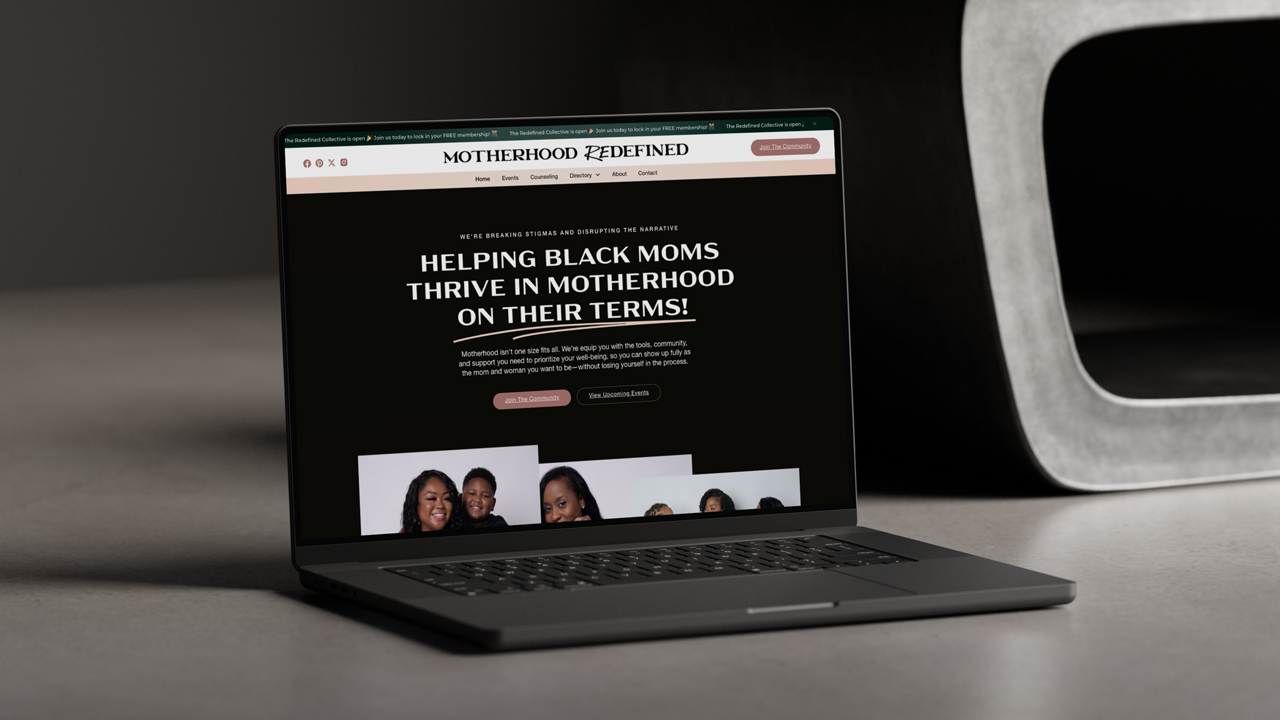
Not sure whether to refresh or redesign your website? This guide explains the key differences between a website redesign and refresh, when each option makes sense, and how to choose the right solution based on your business' needs, not trends.

